



The sports, health, and wellness landscape is entering a new era — where clarity, calm, and connected digital ecosystems shape how brands communicate and how communities thrive. As we look ahead to 2026, the design shifts are subtle on the surface but powerful in impact. This is a year defined by intentionality, deeper audience understanding, and a new standard of digital personalisation.
Here’s what’s next…
Minimalist Typography 2.0: Clarity as a Brand Asset
Minimalism isn’t going anywhere — it’s evolving. In 2026, type isn’t just clean; it’s strategic. Designers are leaning into ultra-legible, variable sans-serifs, fluid typographic scales, and layouts that prioritise breathing room.

This shift supports:
- High accessibility standards
- Faster on-the-move readability for fitness users
- A calmer, more confident brand presence
- Stronger storytelling through hierarchy and precision
Brands are moving away from decorative type and towards typography that works hard — providing clarity, reducing cognitive load, and creating a polished, future-ready identity.
Nature-Inspired Palettes with a Modern Edge
Wellness brands have long reached for nature — but 2026 amplifies this with richer, more textural tones inspired by the real world rather than the “spa clichés” of the past.
Expect to see:
- Mineral neutrals
- Cool botanical greens
- Earthy rusts and clays
- Clouded blues inspired by coastline landscapes
- Desaturated tones that bring serenity without feeling soft



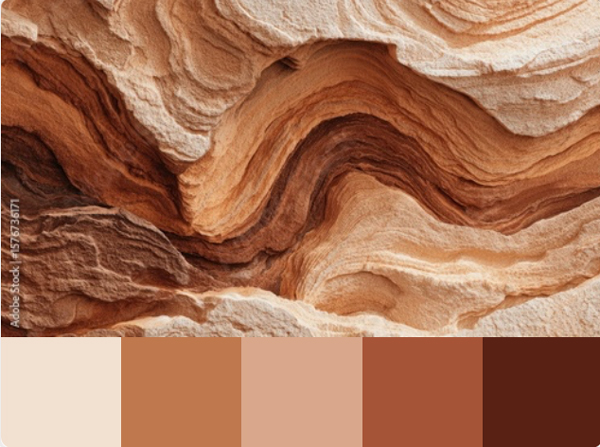
These palettes help digital and physical environments feel grounded, trustworthy, and human. They’re versatile, modern, and emotionally intelligent — exactly what wellness consumers now expect.
Interactive Digital Experiences for Evolving Fitness Communities
Digital fitness isn’t levelling off — it’s becoming smarter, more social, and more immersive. In 2026, design shifts from static screens to living experiences.
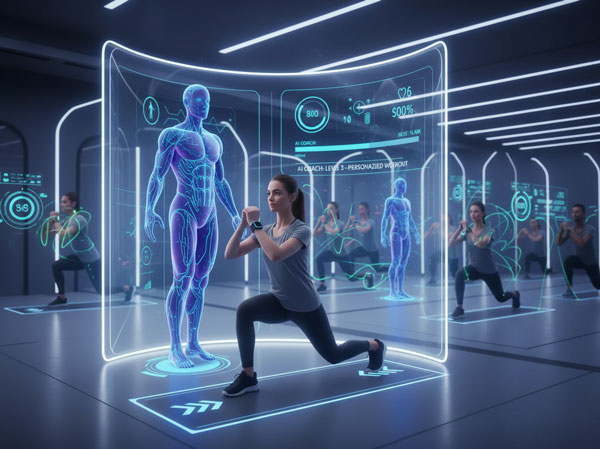
Key movements include:
- Adaptive dashboards that reflect user progress and mood
- Motion-led UI that responds to activity and rhythm
- Micro-interactions that reward micro-wins
- Built-in social layers that strengthen community commitment
- Gamified personalisation that feels motivating, not gimmicky
The future of fitness design lies in systems that listen, respond, and anticipate. This is design that behaves like a coach, a space, and a community — all at once.






Leave a Reply